
10 Home Inspection Tips for Texas Buyers
- Hector Gonzalez
- Dec 16, 2025
- 7 min read

Updated: Jul 25
The most useful home inspection tips for Texas buyers begin with understanding what the inspection can—and cannot—tell you.
A professional home inspection provides information about the visible and accessible condition of a home’s systems and components. It can help you identify significant concerns, ask better questions and plan your next steps before moving forward with a purchase. It is not a guarantee, warranty, engineering analysis or municipal code inspection.
In Texas, licensed real estate inspectors performing inspections covered by the Texas Real Estate Commission’s Standards of Practice must follow minimum inspection requirements and provide the applicable TREC property inspection report form.
Here are 10 ways buyers can get more value from the home inspection process.
1. Schedule the Inspection Around Your Contract Deadlines
Once you are under contract, confirm all inspection and decision deadlines with your real estate agent or attorney. Do not assume that scheduling the inspection automatically changes or extends those dates.
Contact an inspector as early as practical so there is enough time to:
* Complete the inspection
* Review the inspection report
* Ask follow-up questions
* Obtain additional evaluations when warranted
* Discuss the results with your real estate representative
The inspector can explain observed property conditions, but questions about contractual rights, repair negotiations or whether to proceed with the transaction should be directed to the appropriate real estate or legal professional.
2. Verify the Inspector’s Texas License
Texas real estate inspectors are licensed through the Texas Real Estate Commission. Before hiring someone, verify the inspector’s current license and review the services included in the inspection agreement.
Useful questions include:
* What type of Texas inspector license do you hold?
* What systems and components are included?
* Are there areas or systems that will require an additional fee?
* How will inaccessible areas be documented?
* Can I attend the inspection?
* How are significant findings presented in the report?
* Can I contact you with questions after reviewing the report?
Price matters, but it should not be the only consideration. Clear communication, an understandable agreement and a useful inspection report are also important.
A standard home inspection is a visual, non-invasive evaluation of accessible systems and components within the agreed scope.
Depending on the property and inspection agreement, the inspection may address:
* Foundation and visible structural components
* Roof coverings and accessible roof components
* Exterior walls, doors and windows
* Grading and drainage conditions
* Attic areas, insulation and ventilation
* Electrical service equipment and accessible components
* Plumbing fixtures, supply piping and drainage
* Water-heating equipment
* Heating and cooling systems
* Interior rooms, stairs and railings
* Built-in appliances
* Garage doors and installed safety features
Conditions that are concealed, inaccessible, underground or outside the inspection agreement may not be evaluated.
A home inspection also should not be confused with an appraisal. An appraisal develops an opinion of value for a lender or client. A home inspection provides information about observed property conditions.
4. Read the Inspection Agreement Before the Appointment
The inspection agreement explains the scope, limitations, fee and responsibilities of the parties. Read it before the inspection begins.
Pay particular attention to:
* Systems included in the inspection
* Excluded systems or services
* Access limitations
* Weather-related limitations
* Optional services
* Report-delivery policies
* Procedures for questions or concerns
Separate services may be appropriate for certain properties or transactions. For example, a wood-destroying-insect inspection, environmental assessment, sewer-scope inspection or engineering evaluation is not automatically part of every home inspection.
Confirm which services are being performed rather than assuming every property concern is included.
5. Attend the Inspection When Practical
Attending the inspection can help you understand the home and place report findings in context. Ask the inspector whether attendance is permitted and when they prefer you to arrive.
During the inspection:
* Allow the inspector to follow an organized process
* Save nonurgent questions for an appropriate stopping point
* Ask for clarification when you do not understand a condition
* Take notes about maintenance and system operation
* Avoid testing equipment without the inspector’s permission
* Keep children and pets safely supervised
The inspection is not a construction lesson on every component in the home, but it can be an important opportunity to learn about shutoffs, filters, maintenance needs and visible conditions.
6. Focus on Systems, Safety and Patterns
Most homes have maintenance items and minor defects. A long report does not automatically mean that a home is in poor condition.
Instead of counting findings, look for:
* Conditions that may affect safety
* Active or suspected moisture concerns
* Systems that were not operating as intended
* Components near the end of their expected service life
* Multiple findings that may have a common cause
* Areas that could not be inspected
* Recommendations for further evaluation
Cosmetic defects may still matter to you, but they generally should not distract from larger system, safety or moisture-related concerns.
An inspector should explain what was observed, why it matters and what type of next step may be appropriate without using unnecessarily alarming language.
7. Pay Attention to Central Texas Conditions
Homes in San Marcos and other Central Texas communities can vary significantly in age, construction type, maintenance history and site conditions.
Useful inspection priorities commonly include:
Roof and Exterior
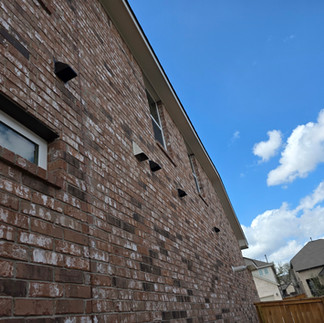
The inspector may document visible wear, damaged roof-covering materials, flashing concerns, deteriorated sealants, damaged exterior components and signs of previous repairs.
Roof access depends on conditions such as height, slope, weather, surface condition and safe accessibility. When the roof cannot be walked, the report should explain the inspection method and relevant limitations.





Grading and Drainage
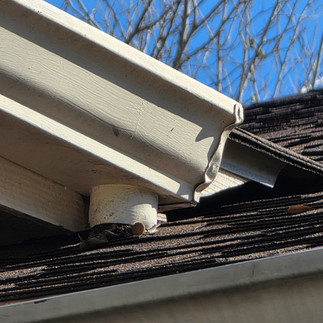
Water should be managed away from the structure as effectively as practical. The inspector may document negative grading, erosion, ponding, missing drainage components or discharge points that direct water toward the foundation.
An inspection documents visible conditions at the time of the visit. It cannot predict exactly how the property will perform during every future storm.




Foundation and Visible Structure
Cracks, sticking doors, uneven surfaces and previous repairs may deserve attention, but one visible symptom alone does not establish the cause or severity of structural movement.
The inspector should document the overall pattern of visible conditions. When the observations warrant specialized analysis, further evaluation by an appropriate qualified professional may be recommended.



Attic, Insulation and Ventilation
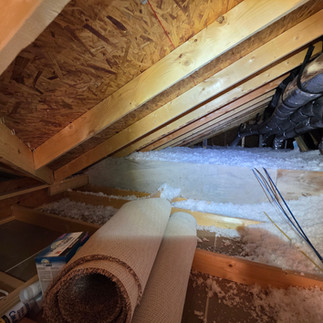
Accessible attic areas can provide information about roof framing, insulation, ventilation, exhaust ducts, visible moisture evidence and electrical or mechanical components.
Attic access may be limited by stored belongings, low clearance, unsafe walking surfaces, extreme conditions or the risk of damaging finishes.





Heating and Cooling
The inspection may include operating installed heating and cooling equipment using normal controls when conditions permit. The inspector may document abnormal operation, visible defects, drainage concerns, filter conditions and temperature-related observations.
A home inspection does not provide the same testing, calculations or repair diagnosis as an HVAC contractor’s evaluation.






Plumbing and Electrical Systems
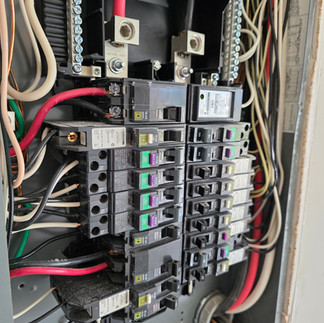
The inspector may examine accessible plumbing fixtures, water-heating equipment, visible supply and drain components, electrical panels, receptacles and installed safety devices.
Observed deficiencies may require additional evaluation or repair by an appropriately licensed contractor. The inspector does not perform destructive testing or guarantee concealed piping and wiring.





8. Do Not Skip an Inspection Because the Home Is New
New construction can still have incomplete work, installation concerns or components that need adjustment.
A final new-construction inspection can provide an independent record of visible conditions before closing or the final builder walkthrough. The inspection does not replace the builder’s quality-control process, municipal inspections or warranty procedures.
Buyers should ask the builder about:
* Inspection-access requirements
* Required notice
* Utilities and equipment operation
* Completion status
* Procedures for submitting inspection findings
* Warranty documentation
An inspection may also be useful near the end of the builder’s warranty period because some conditions become more visible after the home has been occupied.
9. Review the Report by Priority
Begin with the report summary, but also read the entire report. Important context, limitations and maintenance information may appear outside the summary.
Sort findings into practical categories:
1. Safety-related concerns
2. Systems that were not functioning as intended
3. Moisture or drainage concerns
4. Items needing additional evaluation
5. Deferred maintenance
6. Minor or cosmetic observations
Ask the inspector to explain unfamiliar terminology or photographs. Do not rely solely on a contractor’s repair estimate to explain what the inspector observed; the inspector and contractor have different roles.
The report describes conditions observed on the inspection date. Property conditions can change after the inspector leaves.
10. Use the Report to Make an Informed Decision
The inspection report is one source of information in a larger real estate decision. Review it with the appropriate professionals before deciding how to proceed.
Depending on the findings, your next steps may include:
* Requesting additional information from the seller
* Obtaining repair estimates
* Consulting an electrician, plumber, HVAC contractor, roofer or other qualified professional
* Requesting an engineering evaluation when warranted
* Reviewing insurance availability
* Planning future maintenance
* Discussing contractual options with your real estate agent or attorney
A home inspector should not tell you whether to purchase the property. The inspector’s role is to provide clear, objective information that helps you make your own decision.
Frequently Asked Questions About Texas Home Inspections
How long does a home inspection take?
Inspection time varies based on the property’s size, age, condition, accessibility and the services included. Ask your inspector what to expect for the specific property rather than relying on a fixed time estimate.
Should a buyer attend the home inspection?
Attending is often helpful when permitted because it gives the buyer an opportunity to see important conditions and ask questions. Confirm attendance expectations with the inspector before the appointment.
Does a home pass or fail an inspection?
A home inspection is not a simple pass-or-fail test. The report documents observed conditions, limitations and recommendations so the client can evaluate the property in the context of the transaction.
Will the inspector estimate every repair cost?
Repair-cost estimating is not automatically included in a standard inspection. Contractors may need to inspect specific systems before providing reliable scopes and estimates.
Does the inspection guarantee there are no concealed problems?
No. A home inspection is visual and non-invasive. Concealed, inaccessible or intermittent conditions may not be observable during the inspection.
Prepare for Your Texas Home Inspection
A useful home inspection gives you a clearer understanding of the property without exaggerating normal maintenance or minimizing significant concerns.
Steadfast Professional Inspections LLC provides buyer home inspections in San Marcos and throughout its current Central Texas service area. Inspections include clear communication, thermal imaging when applicable and easy-to-read digital reports.
Review available inspection services or schedule a home inspection before your applicable contract deadlines.
---
**Written and reviewed by Hector Gonzalez Jr.**
Texas Professional Inspector #26835-PI and owner of Steadfast Professional Inspections LLC, serving home buyers, sellers and homeowners throughout Central Texas. Learn more about Hector’s background on the About page and verify current credentials through the Texas Real Estate Commission.


Comments